UX Workshops & Prototyping Sprint
Turning diverse ideas into validated solutions through collaboration.
Facilitating cross-functional workshops to solve complex CV customization challenges. By combining user insights with rapid prototyping, we transformed a confusing interface into an intuitive experience.
Context
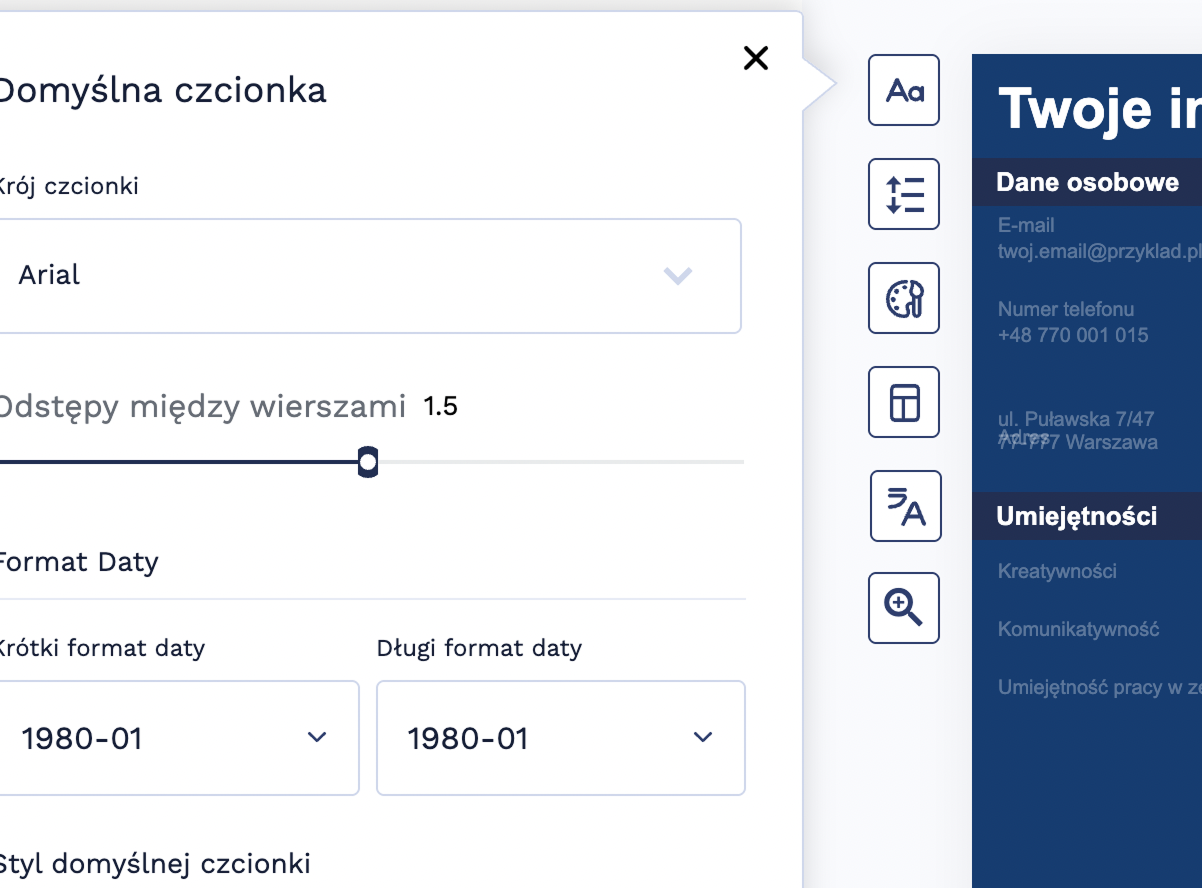
Users were struggling to customize their CVs using our online generator. Essential tasks like changing fonts, spacing, and colors felt confusing and unintuitive. Usability testing revealed a critical mismatch: users expected editing tools to be adjacent to the document preview, but they were hidden in a collapsed left-hand panel. This structural disconnect led to frustration, errors, and significant drop-off.
Approach
To address the problem, we first triangulated insights from qualitative user testing and quantitative analytics, confirming that users mentally modeled the editor differently than it was built. I then facilitated a collaborative design workshop, using exercises like Crazy 8s to explore diverse solutions focused on visibility and accessibility. Rather than committing to a single idea early, we chose to validate multiple design hypotheses through rapid iterative testing.
Solution
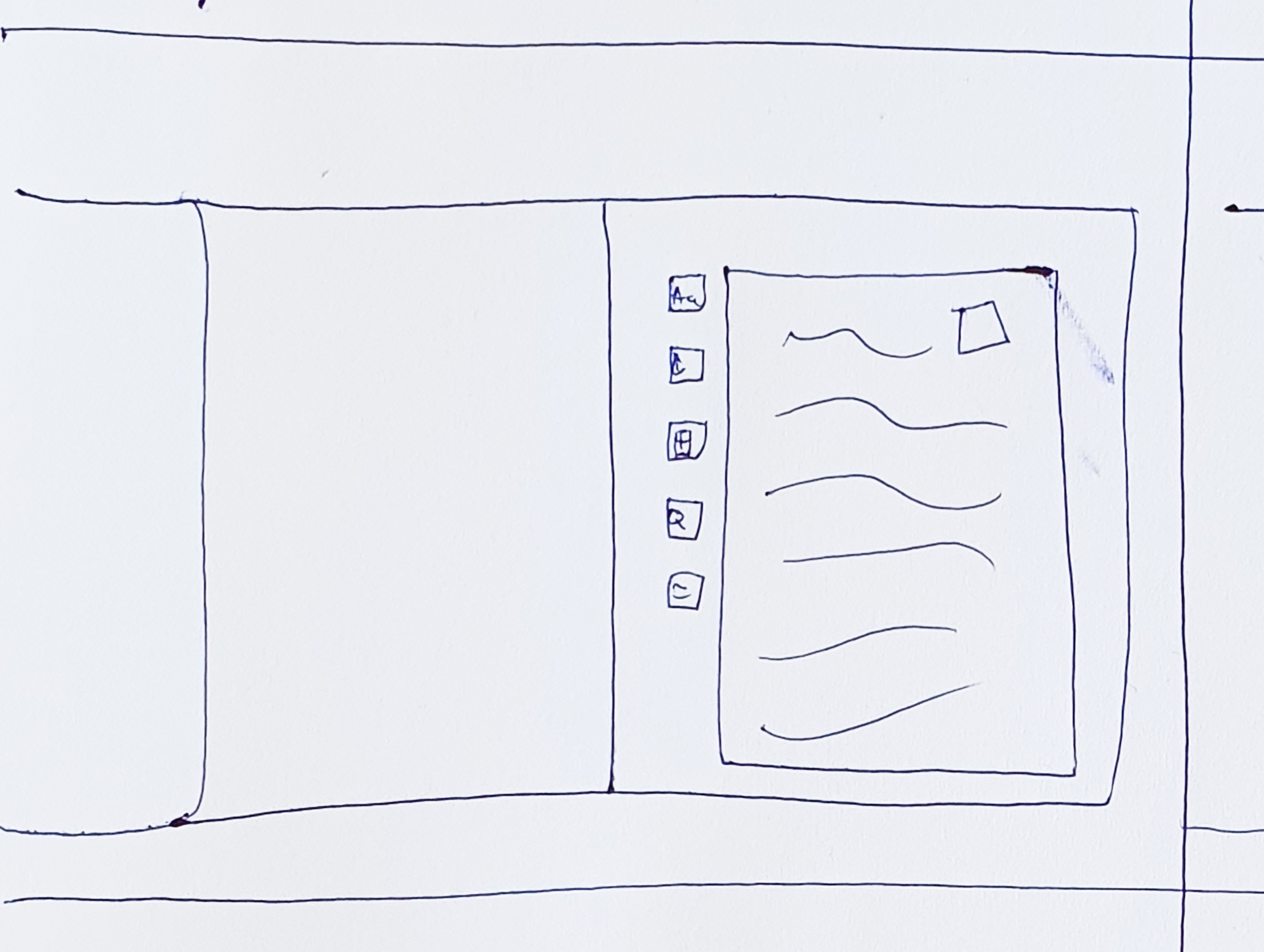
We developed several high-fidelity prototypes that repositioned key editing controls closer to the document preview, aligning the interface with user expectations. Using advanced prototyping tools, we created realistic scenarios for users to navigate while thinking aloud. This process allowed us to capture immediate feedback and behavioral signals. The most promising concept was then refined and launched as an A/B test to 5–10% of new users.
Outcome
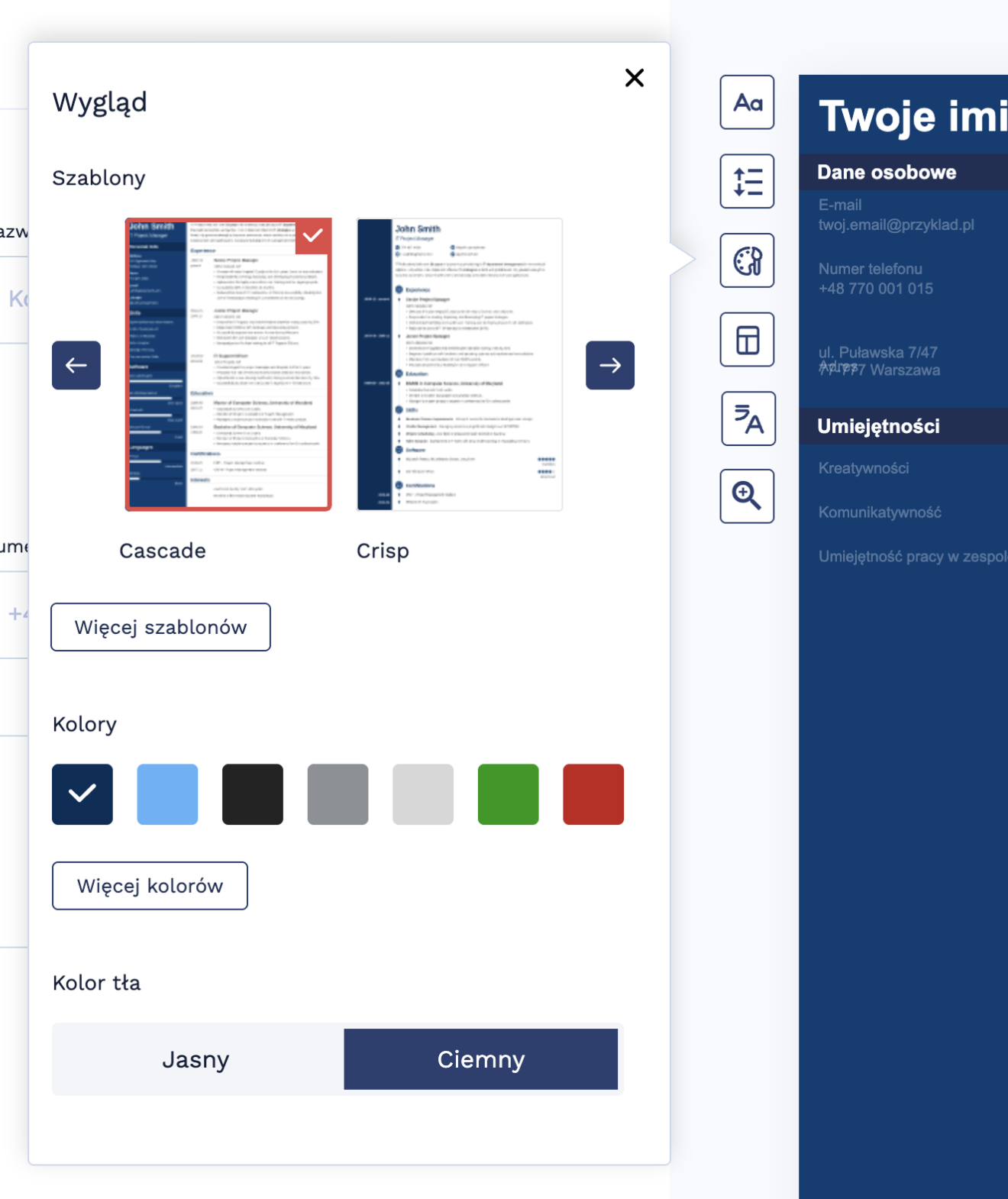
The redesigned interface significantly improved discoverability and ease of use. Users completed editing tasks faster, with greater confidence and fewer errors. The A/B test confirmed higher engagement with customization features and improved task success rates compared to the original design, validating that the new layout effectively reduced friction in the CV editing process.
Key Learnings
“This project reinforced the value of experimentation over assumption. Testing multiple hypotheses allowed us to base decisions on observed behavior rather than internal preferences. It also highlighted the power of collaborative design; leveraging the team's collective creativity through workshops yielded richer solutions than working in isolation. Ultimately, aligning the interface structure with users' mental models proved crucial for detail-oriented tools.”